Where My Journey Began
Rooted In Legacy
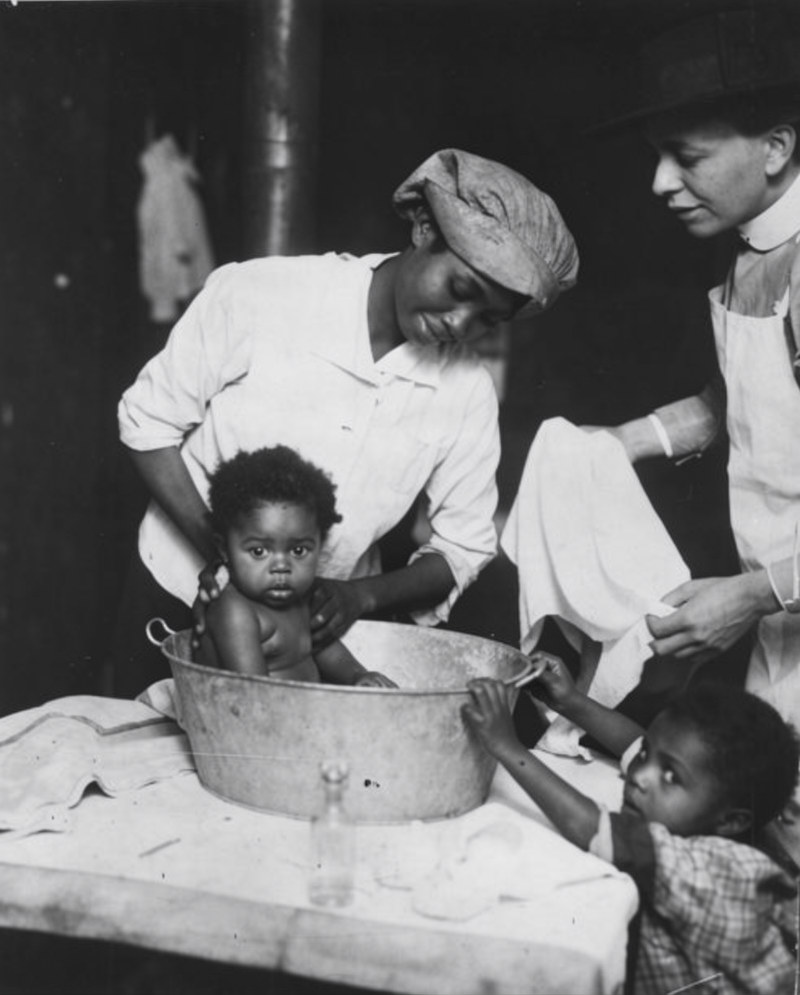
My journey into midwifery began long before I ever stepped into a hospital. Growing up in a large family, surrounded by culture, discipline, and a strong Christian foundation, caring for babies was simply part of life. As I often reflect, ’it was a norm to be taught how to feed, bathe and care for babies from immediate and extended families at large.’’
I love babies. I loved caring for them. Family friends would, ‘’book’’ me during holidays because they trusted my gentle hands and calm presence. Even as a child, I found myself drawn to birth spaces, supporting friends and relatives during labour. I didn’t know it then, but seeds of midwifery were already growing in me.
A Defining Moment in Nigeria
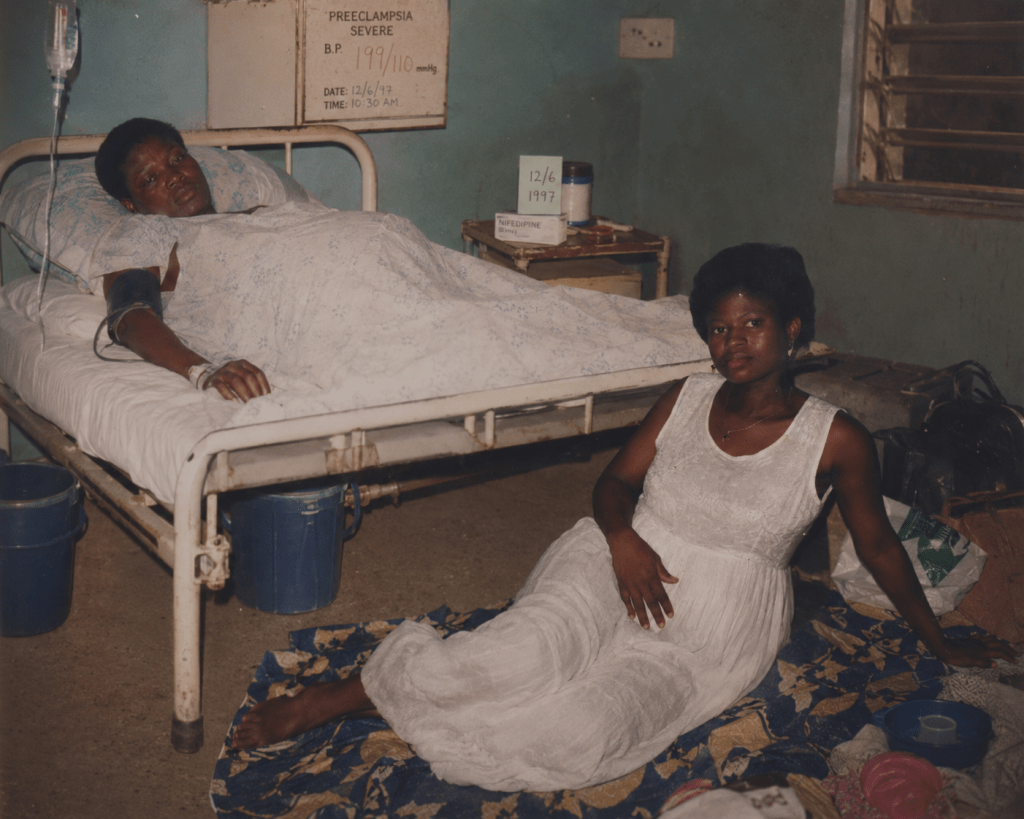
One of the most powerful experiences that shaped my calling happened when I was age 23 years old. A pregnant family friend with pre-eclampsia was admitted to a general hospital in Lagos.
There were no beds for visitors, no mosquito nets, no stable electricity but I stayed with her for two weeks, sleeping on the floor, talking to her, comforting and helping her manage the blood pressure with therapeutic conversations. I was pregnant myself, but I didn’t tell anyone. My focus was on her wellbeing. That experience taught me what compassion looks like in action and it confirmed that caring for mothers was part of my purpose.
A New Chapter in the UK
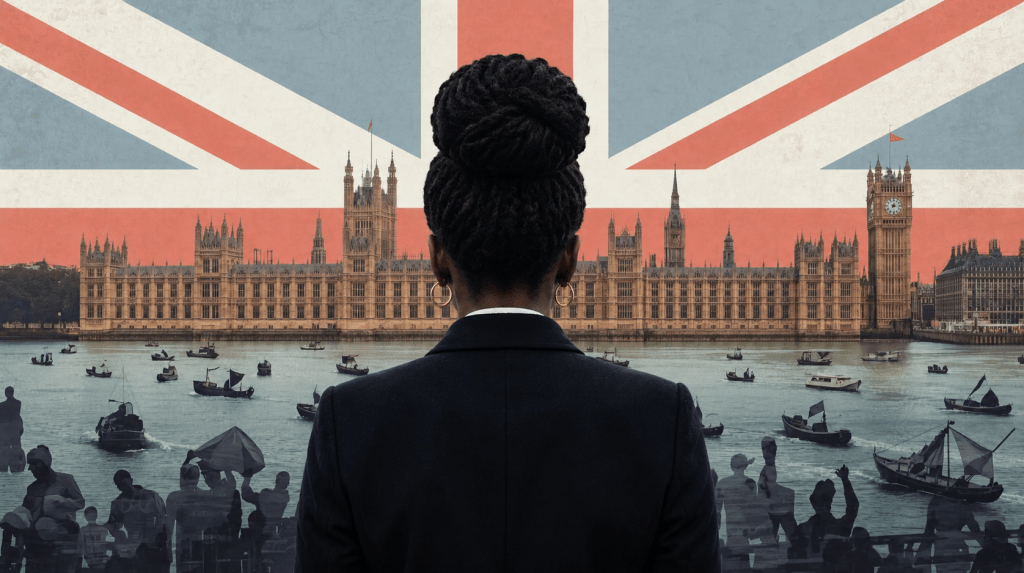
When I arrived in the UK, my passion grew even stronger.
Supporting a friend in labour at Lewisham Hospital opened my eyes to what a respectful, well resourced maternity care could look like.
- Continuous Cardiotocography
- Stable electricity
- Comfortable birthing chairs
- Clear communication
- Dignity and privacy
It was a stark contrast to what I had seen in Nigeria, and it ignited a desire in me to bring dignity, safety, and compassion to women everywhere.
My Placement in Nigeria
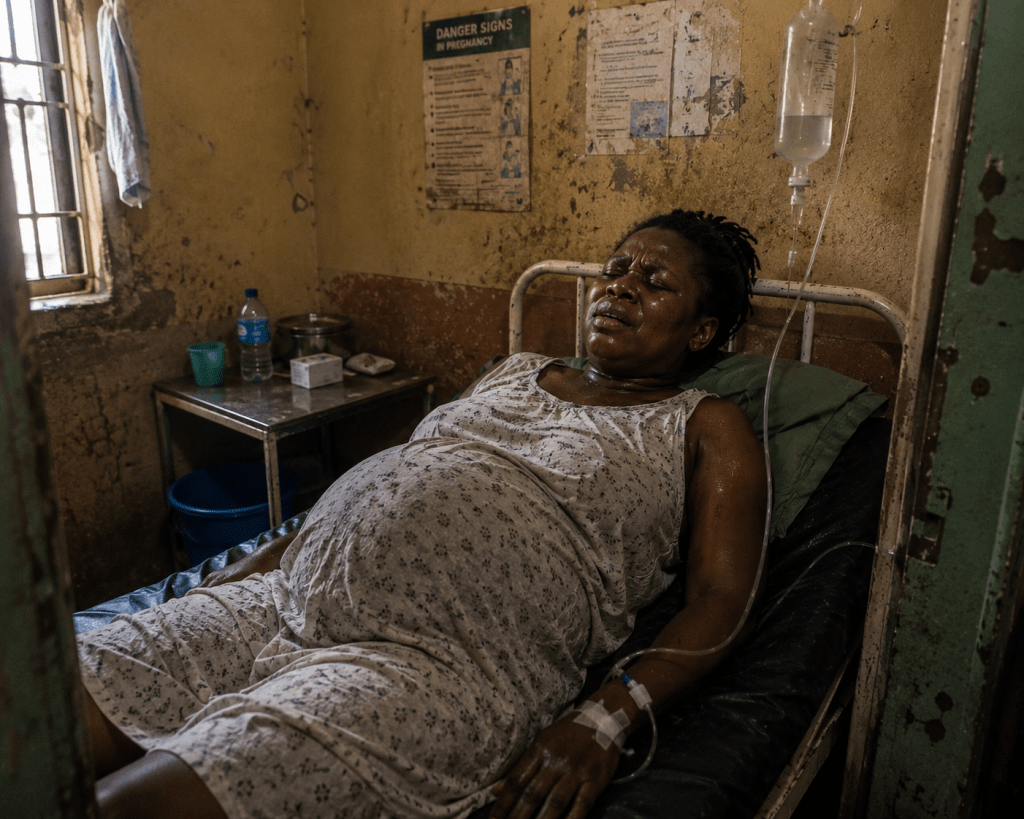
A defining moment in my journey was when I returned for a placement in Ibadan, Oyo State. I was placed on a Midwifery leadership placement. I wanted to understand maternity care from another perspective to observe, learn, and compare systems. But one case shook me deeply.
A pregnant mother was admitted in labour at 4cm dilation, later progressing to 5cm. The obstetrician identified that her pelvic shape and height were obstruction labour progression. An emergency caesarean section (EMCS) was recommended, However, what followed was heartbreaking.
Twelve hours of pain without intervention
The mother remained in severe pain for over 12 hours. There was:
- There was no CTG
- No bedside scan
- No assessment beyond a handheld doppler
The labour ward was extremely hot. The mother was sweating, exhausted and in distress with no fans, no air conditioning, and no comfort measures available, I did what I could with what I had, reassure through communication
Advocating for pain relief
The staff explained that they only provided minimal analgesia due to concerns about fetal risk. But I knew that unrelieved pain and prolonged contractions could increase the risk of:
- Fetal distress
- Hypoxia
- HIE (Hypoxic-ischaemic encephalopathy)
I advocated for the mother to receive IV paracetamol as analgesia.
A dangerous delay

When I returned the next day and found her still waiting, I escalated immediately to the Apex Nurse and Head of Department, shortly after, the theatre team arrived, and the patient was transferred for surgery.
Holistic Care in a resource limited environment
A gravida 2 para 1 (a woman’s second pregnancy) was in labour, sweating in the hot weather, ongoing labour pains, I massaged her back to ease her pain. I used my exercise notebook to fan her continuously in the heat. I offered therapeutic words, reassurance, and presence.
Later, moved by compassion and the reality of the environment, I donated a dual powered rechargeable cooling fan to the unit through my NGO the BARC Charitable Foundation, so future mothers would not suffer in the same way.
Supporting families with dignity
Many families arrived with no maternity pack, no baby clothes, and no issues – essential items. Through the BARC foundation, I provided gift bags to support mothers who had no supplies, it was a small gesture, but it restored dignity and reduced anxiety for women already facing so much.
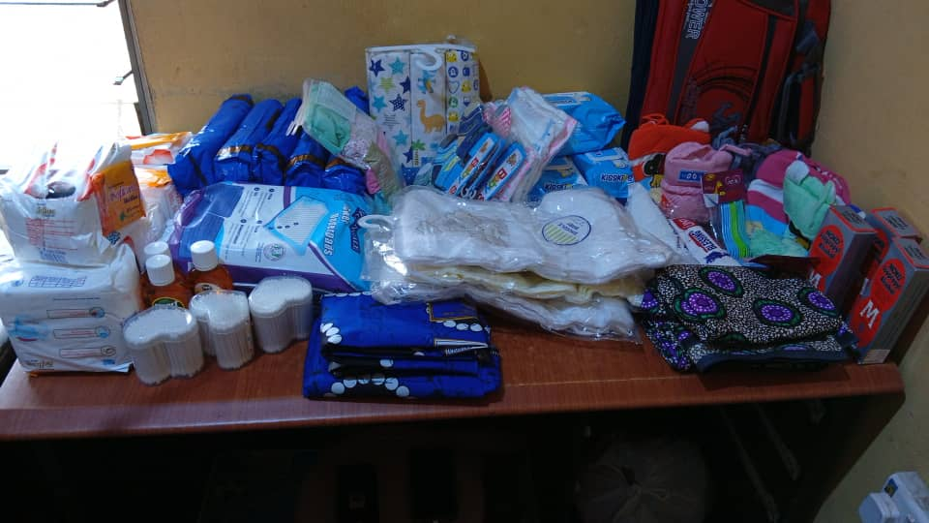
Collaborative Learning: Students Supporting Students
One of the most inspiring aspects of my placement was the collaborative learning environment, Student from different hospitals including medical students, student nurses and student midwives all learned together.
The midwives were confident, experienced, and incredibly supportive, they encouraged students to:
- Palpate
- Listen to fetal heart tones
- Assist with examinations
- Observe procedures
- Participated in care.
A Joyful Discovery: Antenatal Physiotherapy, Dance, and Community
One of the most uplifting moments was the antenatal physiotherapy session. The physiotherapist taught:
- Pelvic floor exercises
- Posture
- Breathing
- Safe movement
Then she turned on soft music, and the entire clinic began to dance. Women laughed. Midwives joined in. Student joined in. The room became a space of joy, movement, and community. I have photos and videos of this beautiful moment, which I will upload to my blog.
Critical Neonatal Concerns on the Labour Ward
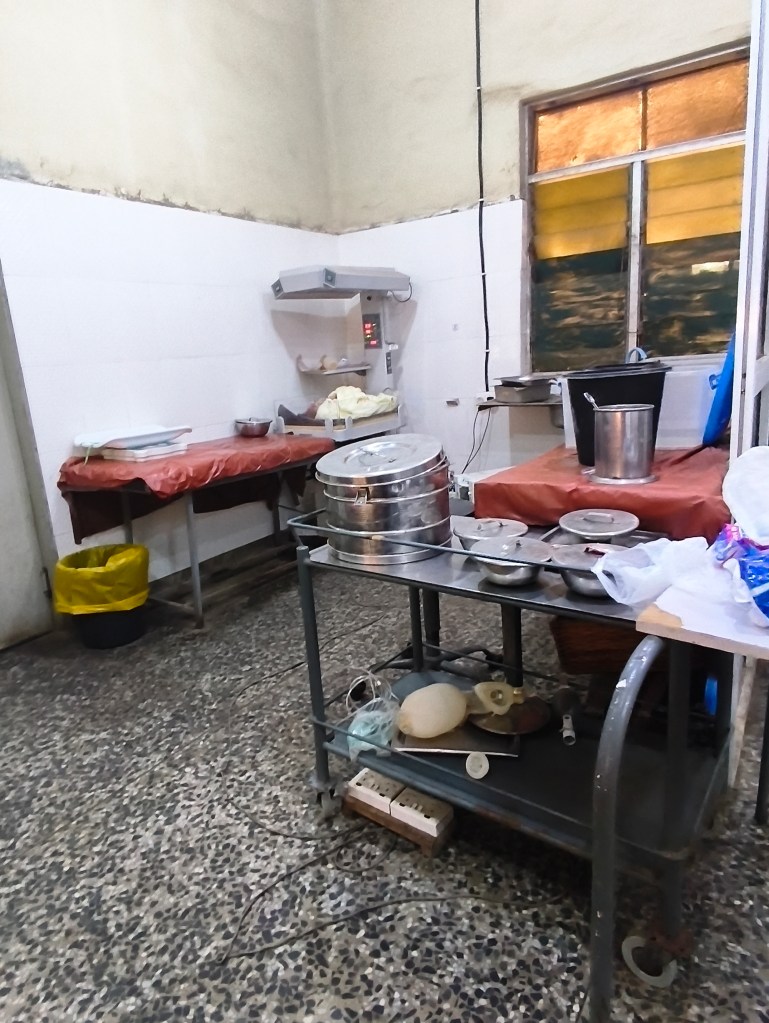
Another troubling observation was seeing multiple newborns sharing one radiant warmer on the ward. There was no resuscitative in the room, and space was limited.
This created risk of:
- Infection
- Switching babies
- Dropping babies
- Compromised immunity
- Delayed resuscitation
In the UK, every labour room has a resuscitative with an embedded radiant warmer, but here, there was none. This strengthened my resolve to raise funding through BARC Charitable Foundation to support maternity and neonatal units, Yemetu Adeoyo Teaching Hospital, Ibadan Oyo State and Nigeria at Maternity and Neonatal units at Large.
Environmental Stressors: Noise, Safety, and Maternal Wellbeing
One Friday, a woman with severe hypertension was admitted at 6 cm dilation. Despite medication, her blood pressure remained unstable an EMCS indicated.
But the environment was chaotic!
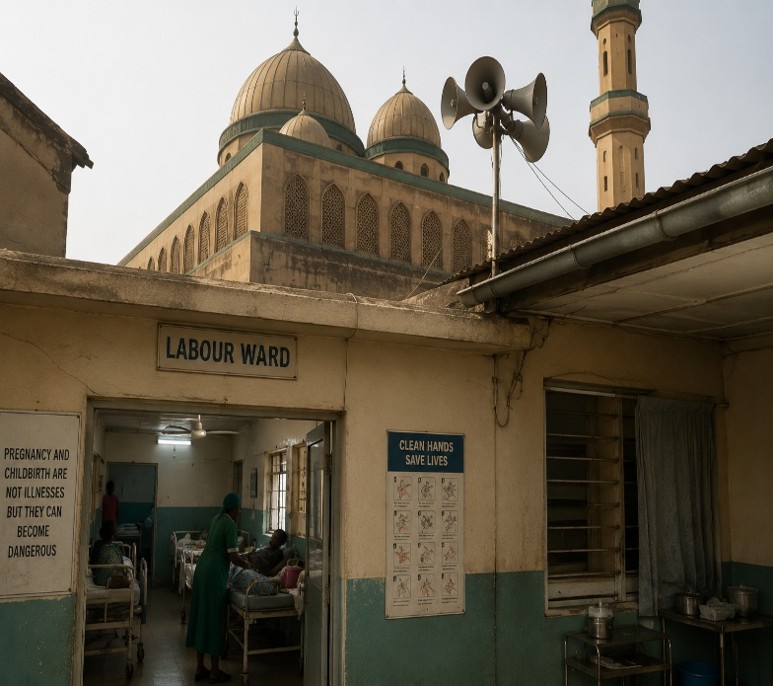
A large mosque structure with powerful speaker stood directly behind the labour ward, inside the hospital. During prayer times, the noise was overwhelming. Members of the public entered the hospital to pray, some shouting and arguing. Women in labour including those with high blood pressure were exposed to noise, stress, and disturbances.
If I were in leadership, I would advocate for expanding the labour ward and relocating public prayers spaces outside clinical areas.
Conclusion
Everything I’ve learned, witnessed, and lived has shaped a clear purpose in me. My cultural roots, my faith, and my deep love for women, babies, and families continue to guide my path. These experiences have not only opened my eyes—they’ve strengthened my resolve.
I am committed to becoming a British‑trained midwife who champions safe practice, restores dignity, and ensures that every woman—especially those whose voices are often overlooked—is heard, respected, and cared for with compassion.
This journey isn’t just a career choice. It’s a calling rooted in advocacy, community, and the belief that every woman deserves to birth with dignity, safety, and support.
Appreciation
I would like to thank everybody in this blog for being part of this journey and I would like to thank Dr Sarah Esegbona -Adeigbe for encouraging me to share my experiences through this blog.


Leave a comment